









Why Your Bow Setup Feels Inconsistent and How to Fix It Before Hunting Season
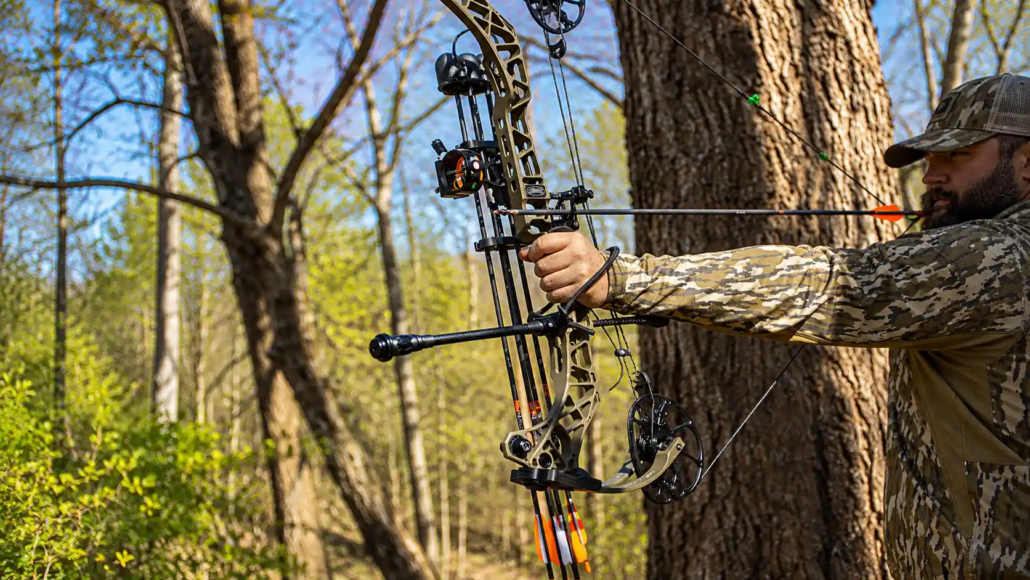
One arrow lands dead center. The next comes off the same release, from the same spot, and drifts four inches low for no clear reason. If that sounds familiar, you already know the frustration of inconsistent bow shooting: it isn’t that you can’t shoot well; it’s that you can’t predict which shot will show up.
According to Southwick Associates’ analysis of bowhunter practice habits, more than 85 percent of bowhunters already practice from a variety of distances, and the average hunter says they feel comfortable shooting out to 37 yards under good conditions. Preparation isn’t the missing piece for most hunters. What’s missing is a setup that delivers that confidence when conditions aren’t perfect, when the light is low, the angle is awkward, or there’s no time to settle in before the shot.
Inconsistent shooting isn’t random. It’s a sign that something in the system, not the shooter, isn’t repeatable yet. The goal before season isn’t just to shoot better. It’s to make every shot behave the same way.
What Inconsistent Shooting Actually Means
There’s a real difference between a random miss and a pattern. A random miss happens once and doesn’t repeat under the same conditions. A pattern shows up every time a specific variable changes: the same low-light miss, the same high-angle flyer, the same group that opens up after the fourth shot.
Hunters chase peak accuracy on the range, but consistency matters more in the field. A hunter who shoots a tight group nine times out of ten and misses badly on the tenth can’t plan around that shot, and that uncertainty costs confidence the moment a real animal steps into range.
Your Equipment Isn’t Giving You a Stable Platform to Repeat
Before form or timing matters, the bow has to behave the same way every time you draw. Loose components, an inconsistent sight, and poor front-to-back balance introduce variables no amount of practice can overcome.
We built our Tack Driver bow sight with tool-less windage and elevation adjustments for this reason: every adjustment returns to the same setting instead of drifting each time it’s touched. Its built-in level catches bow torque and canting before they turn into a miss, flagging the inconsistency at the bow instead of letting it get blamed on the shot.
Balance matters just as much. A bow that tips forward or wants to twist at full draw forces small compensations that change from shot to shot. Our Vector stabilizer comes in three lengths, so you can tune the balance point to the individual bow and hunter instead of using a one-size-fits-all fix, with a quick-disconnect system that keeps that balance identical whether you set it up at home or adjust it from a tree stand.
Your Shooting Form Changes More Than You Realize
Most inconsistency doesn’t come from a dramatic mistake. It comes from small variations: an anchor point that lands a quarter inch differently depending on how cold your fingers are, grip pressure that tightens under pressure, posture that shifts between a square range and a tree stand.
None of these feel like errors in the moment, which is why they’re so hard to self-diagnose. A built-in bubble level, like the one on our Tack Driver sight, is one of the few tools that catches this drift objectively instead of relying on a hunter to notice it.
Your Setup Tuning Is Where Most of the Variability Hides
A bow tuned once at the start of the season doesn’t necessarily stay tuned through months of storage, travel, and temperature swings. String wax dries out, servings wear thin, a peep sight rotates out of alignment, and a D-loop snug in August can be loose by October. None of that becomes a problem until it shows up as a miss.
That’s the gap our Bone-A-Fide archery tuning kit closes. It bundles the components a bow needs for a pre-season reset: string wax, serving string, a peep sight, a D-loop, and a nock, so you don’t have to hunt down each part separately. A full tuning pass with matched components rules your setup out as the source of inconsistency faster than troubleshooting one piece at a time.
You’re Practicing Without Identifying Patterns
Shooting a lot of arrows isn’t the same as learning from them. The same Southwick Associates data shows the gap clearly: 79.1 percent of bowhunters practice from 20–30 yards and 71.2 percent practice from 10–20 yards, but only around 3 percent ever practice from 80–90 yards, which means most practice happens inside a narrow, familiar band. Treating every shot as isolated, rather than tracking how groups drift as distance, light, or fatigue change, resets the same correctable pattern to zero each session instead of actually solving it.
External Conditions Test a Setup That Isn’t Repeatable Yet
Wind, awkward angles, and gear catching a release or sleeve don’t cause inconsistency so much as expose it. A dialed-in setup treats a gust or steep angle as a known variable to adjust for. An inconsistent one treats it as one more reason the shot goes sideways. Our Vector stabilizer’s open, cutaway design cuts wind drag rather than catching it, one less variable to fight when a gust hits mid-draw.
Mental Pressure Changes Your Execution
The moment a real shot counts, rhythm is usually the first thing to go. Anticipating the shot, overthinking the release, and rushing the follow-through all disrupt a motion that needs to happen the same way every time. A consistent setup removes one more thing to think about in that moment, which is why solving the equipment and tuning variables ahead of time pays off when the pressure is real.
Quick Checklist to Fix Inconsistent Bow Shooting Before Season
Stabilize your equipment setup first with a sight and stabilizer built for tool-less, repeatable adjustments, like the Tack Driver and Vector, because a mount or balance point that shifts even slightly between shots introduces a variable that no amount of practice can correct, so confirm every setting still holds after a dozen draws rather than discovering it drifted mid-hunt.
Re-tune your bow with matched components, such as a full string wax, serving, peep, and D-loop kit, because those individual parts wear unevenly over an off-season, and replacing them together as a set rules out your entire setup as the source of a miss instead of guessing at which single part actually failed first.
Build a consistent anchor point and grip before anything else, because small variations in hand pressure, face contact, or elbow position compound into inches of drift at distance, and a repeatable anchor turns your form into one less variable competing with your equipment for consistency.
Practice across a full range of distances, angles, and light conditions rather than one comfortable yardage, because grouping tight at twenty yards on a flat range doesn’t tell you much about the steep, low-light shot you’re likely to take from a stand, where conditions rarely match the backyard.
Log your groups instead of resetting the slate after every session, because a pattern that repeats across sessions is a problem you can solve, while a pattern dismissed as just an off day keeps quietly costing you the same shot until opening day arrives.
Simulate real hunting conditions during at least some sessions, not just calm range time, because shooting from an elevated platform, in low light, or under a time limit reveals inconsistency a flat, comfortable range afternoon will never expose until it costs you a shot.
Ready to Make Every Shot Behave the Same Way?
Fixing inconsistent bow shooting isn’t about one big change. It’s about closing the small gaps in equipment, tuning, form, and practice that each adds unpredictability to your shot. Start with the two variables most hunters overlook until it’s too late: a sight and stabilizer that hold their settings, and a tuning pass that resets the parts that wear out quietly.
Shop Dead Ringer bow sights and stabilizers to dial in your setup before opening day.